
DIY Dog Training: Essential Tips for Beginners
DR
Understanding the Basics
Training your dog can be a rewarding experience for both you and your furry friend. Whether you're looking to teach basic commands or address behavioral issues, DIY dog training is a great way to build a stronger bond. Before you begin, it’s important to understand the fundamentals of dog behavior and learning.
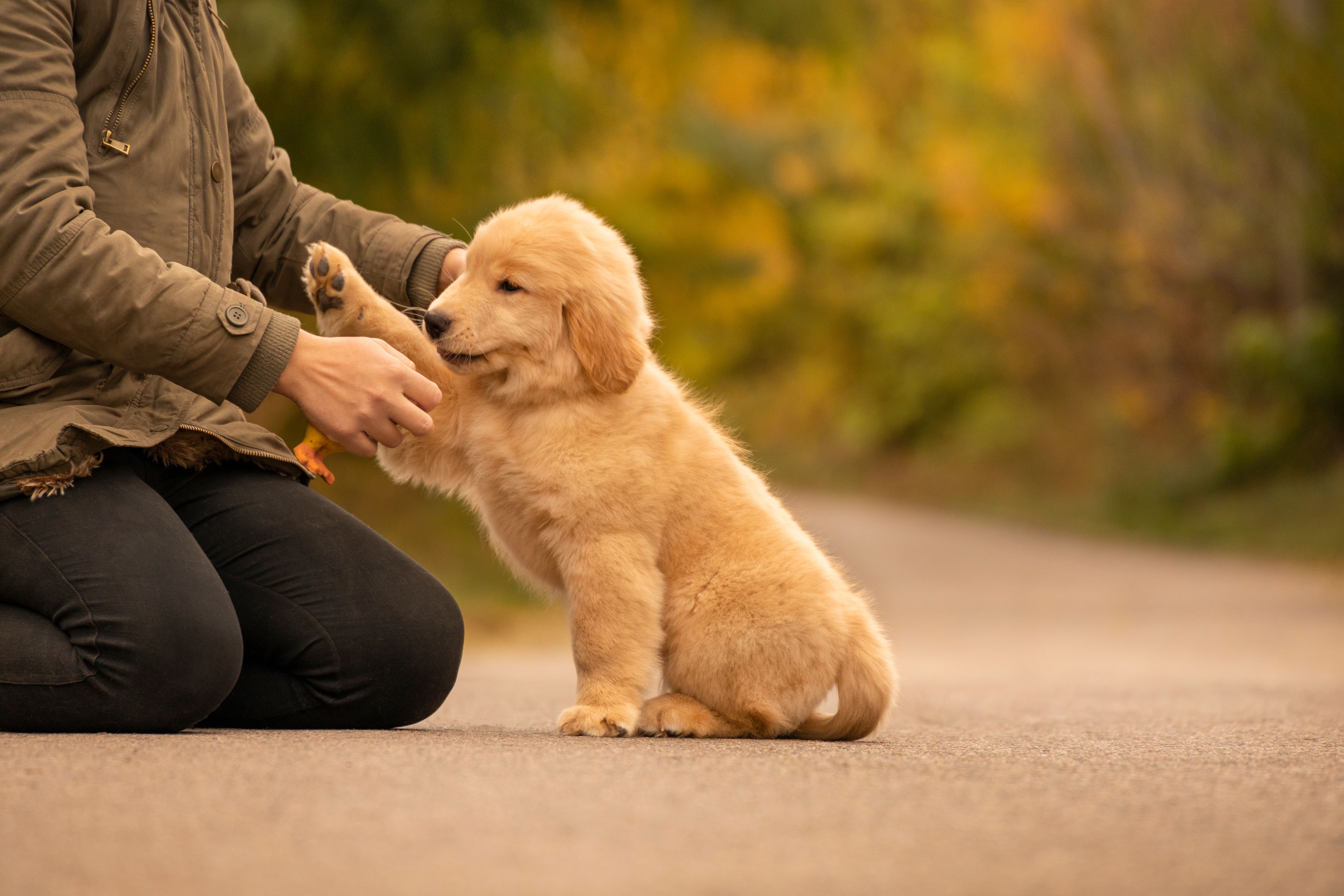
Dogs learn through a combination of repetition, consistency, and positive reinforcement. Establishing clear rules and boundaries will help your dog understand what is expected. Make sure to be patient, as training takes time and dedication.
Setting Up a Training Environment
Creating a conducive environment for training is crucial. Choose a quiet space free of distractions where you can focus on your dog. Consistency is key, so try to conduct training sessions at the same time each day. This helps establish a routine that your dog can anticipate and understand.
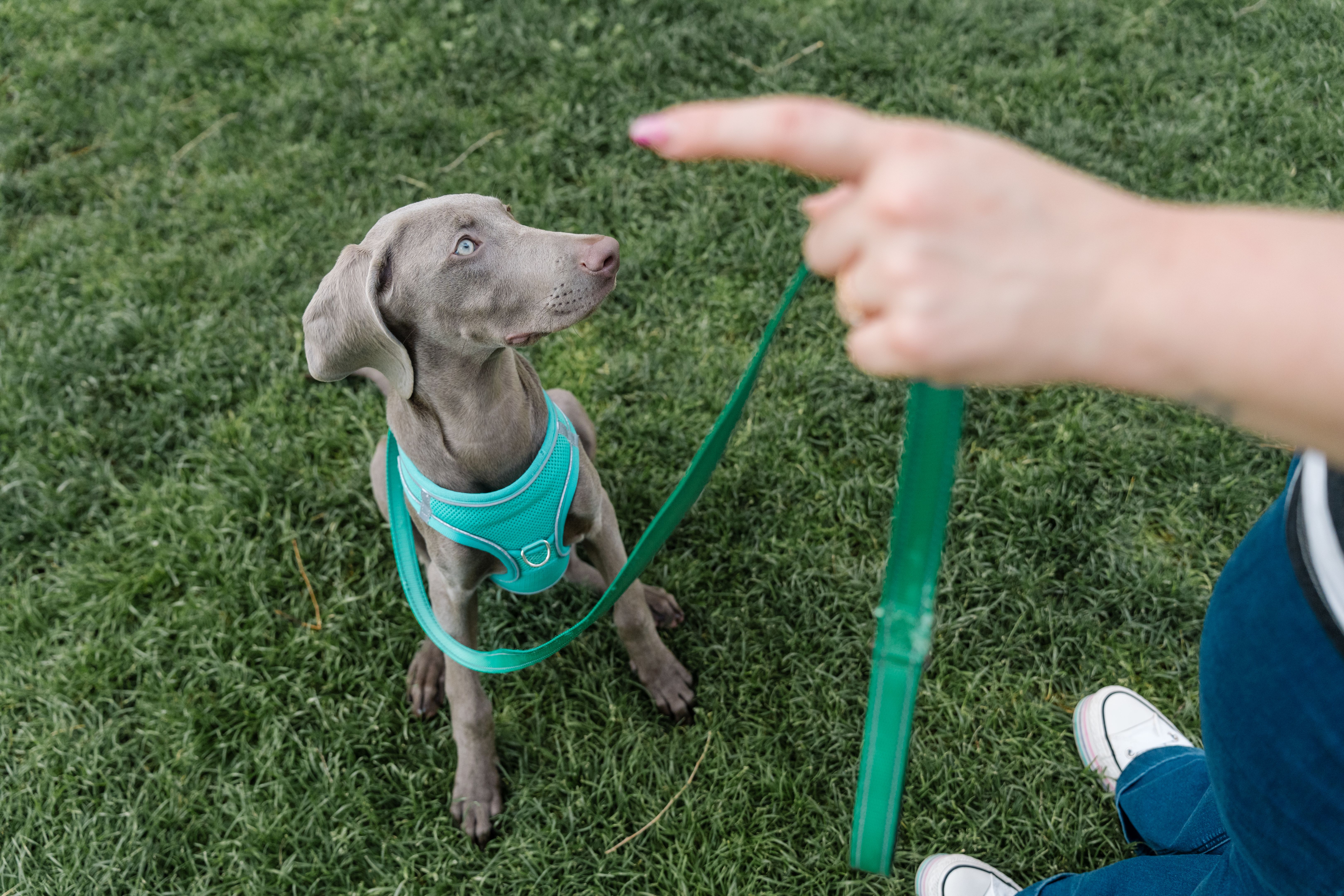
Ensure you have the necessary tools on hand, such as a leash, collar, and plenty of treats for positive reinforcement. You might also consider clicker training, which uses a clicker device to mark desired behaviors.
Mastering Basic Commands
Start with essential commands like sit, stay, and come. These commands form the foundation for more advanced training. Begin with short sessions, around 5-10 minutes, to keep your dog engaged and attentive.
- Sit: Hold a treat close to your dog's nose, then move your hand up, allowing their head to follow the treat and causing their bottom to lower. Once in the sitting position, give them the treat and praise.
- Stay: Ask your dog to sit, then open your palm in front of you and say "stay." Take a few steps back. If they stay, reward them. Gradually increase the distance and duration.
- Come: Put a leash on your dog and get down to their level. Gently pull the leash while saying "come." Reward them when they reach you.
Addressing Behavioral Issues
Sometimes, dogs may develop habits such as excessive barking, chewing, or jumping on people. It’s important to address these behaviors early before they become ingrained. Consistent training and positive reinforcement can help correct these issues.
Identify the triggers for undesirable behaviors and work on them gradually. For example, if your dog jumps on guests, train them to sit when someone arrives. Reward them for calm behavior and redirect their energy into more appropriate activities.
Keeping Training Fun and Engaging
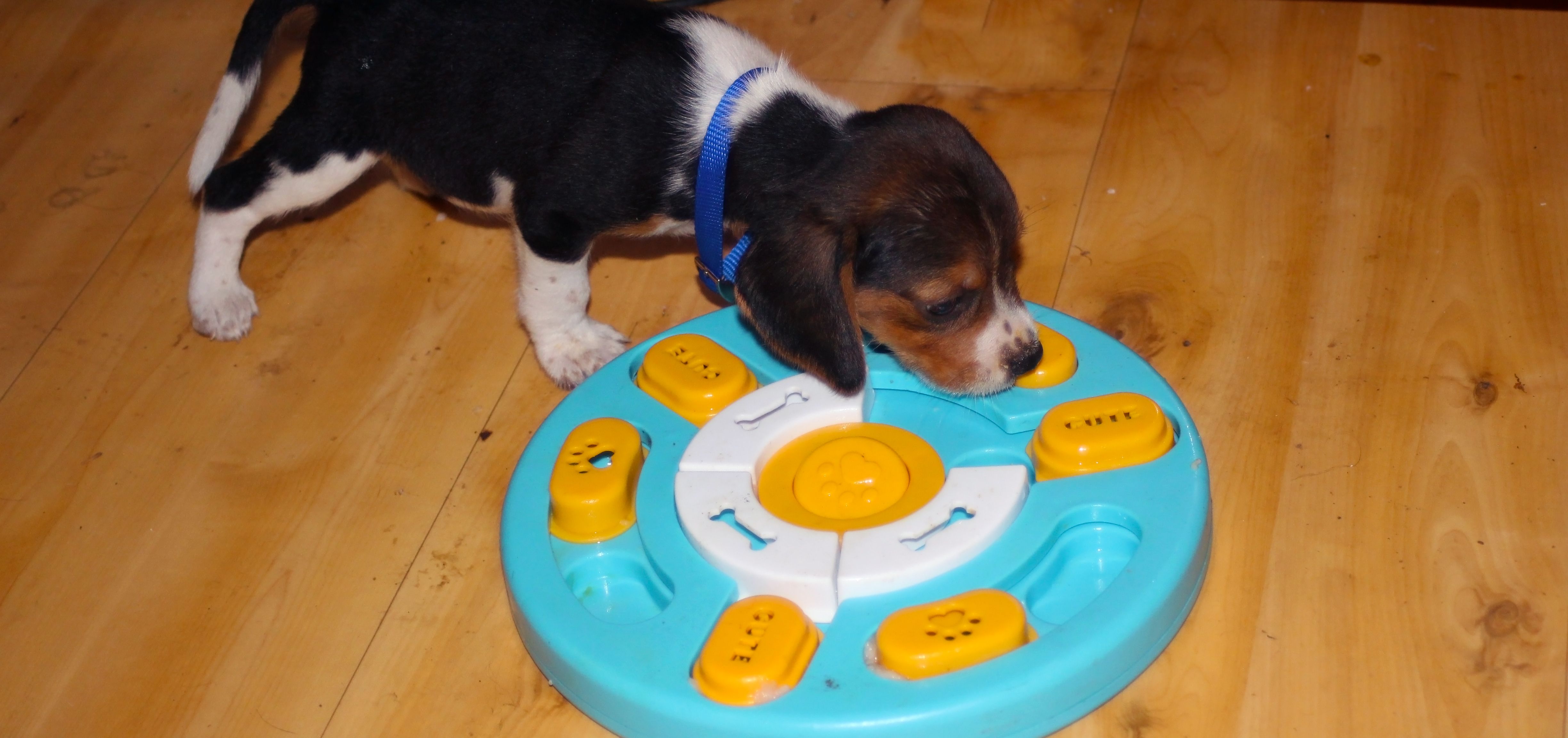
Training should be a positive experience for your dog. Incorporate games and playtime into training sessions to keep things fun and engaging. Use toys as rewards and create mini-challenges that stimulate your dog's mind.
Remember to celebrate small victories and be patient with setbacks. Every dog learns at its own pace, and maintaining a positive attitude will encourage progress.
Tracking Progress and Adjusting Techniques
Keep a record of your dog’s progress to identify areas that need improvement. This can be as simple as jotting down notes after each training session. If certain techniques aren’t working, don’t hesitate to adjust your approach.
Consider seeking advice from online forums or dog training communities if you're facing persistent challenges. Sometimes, a fresh perspective can offer new solutions.
Continuing Education for Your Dog
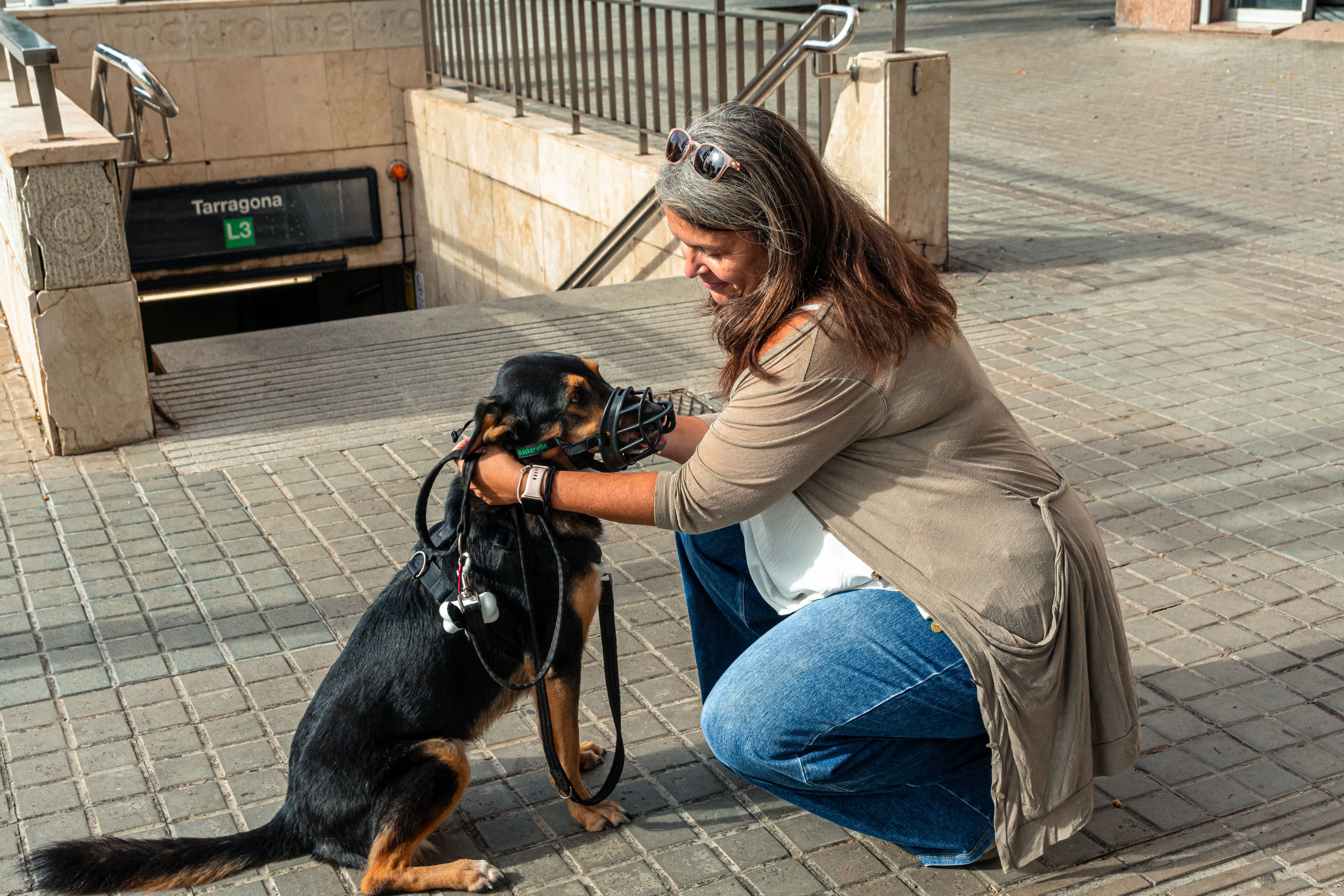
Training doesn’t stop once your dog learns the basics. Continual education helps keep your dog’s mind sharp and strengthens your relationship. Advanced commands and tricks can be introduced over time, ensuring that training remains a lifelong journey.
Enroll in agility courses or advanced obedience classes for added fun and learning opportunities. These activities not only enhance your dog’s skills but also provide a great way to meet other dog owners and their pets.