
Exploring the Latest Techniques in Canine Training
DR
Understanding Modern Canine Training
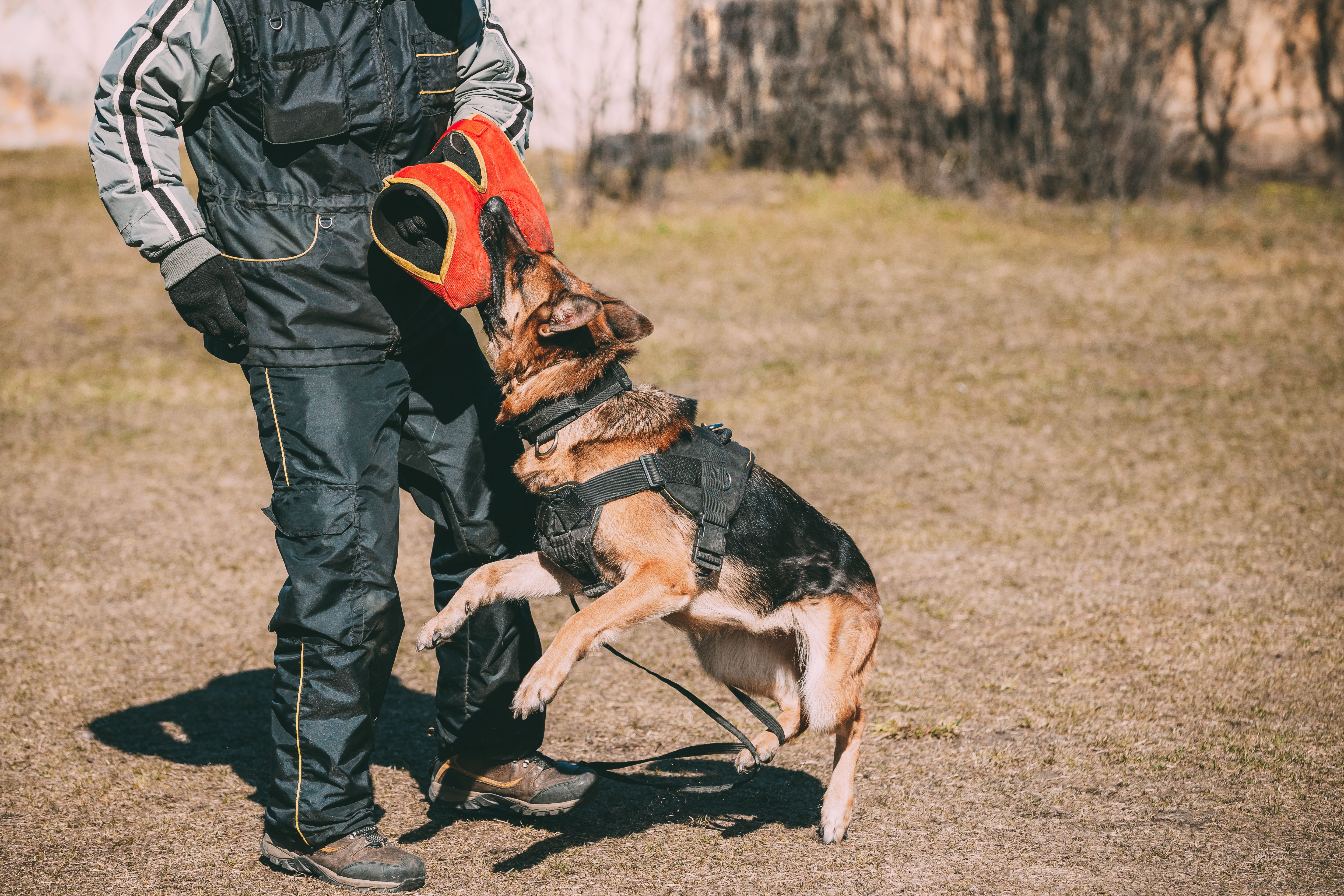
The world of canine training has evolved significantly over the past few years. With advancements in behavioral science and a growing understanding of canine psychology, trainers are adopting more effective and humane techniques. Whether you’re a new dog owner or looking to refine your skills, staying updated on these methods can be incredibly beneficial.
Positive Reinforcement Techniques
One of the most popular methods in modern dog training is positive reinforcement. This technique involves rewarding your dog for good behavior, encouraging them to repeat the action. Rewards can include treats, praise, or playtime. The idea is to create a positive association with the desired behavior, making your dog more likely to repeat it in the future.
To effectively implement positive reinforcement, consistency is key. Ensure that rewards are given immediately after the correct behavior is displayed. This helps your dog connect the action with the reward, solidifying the learning process.
Clicker Training
Clicker training is a popular extension of positive reinforcement. It involves using a small device that makes a clicking sound to mark the desired behavior. The click is followed by a reward, reinforcing the action. This method is effective because the click sound is distinct and consistent, helping the dog quickly understand what is being rewarded.
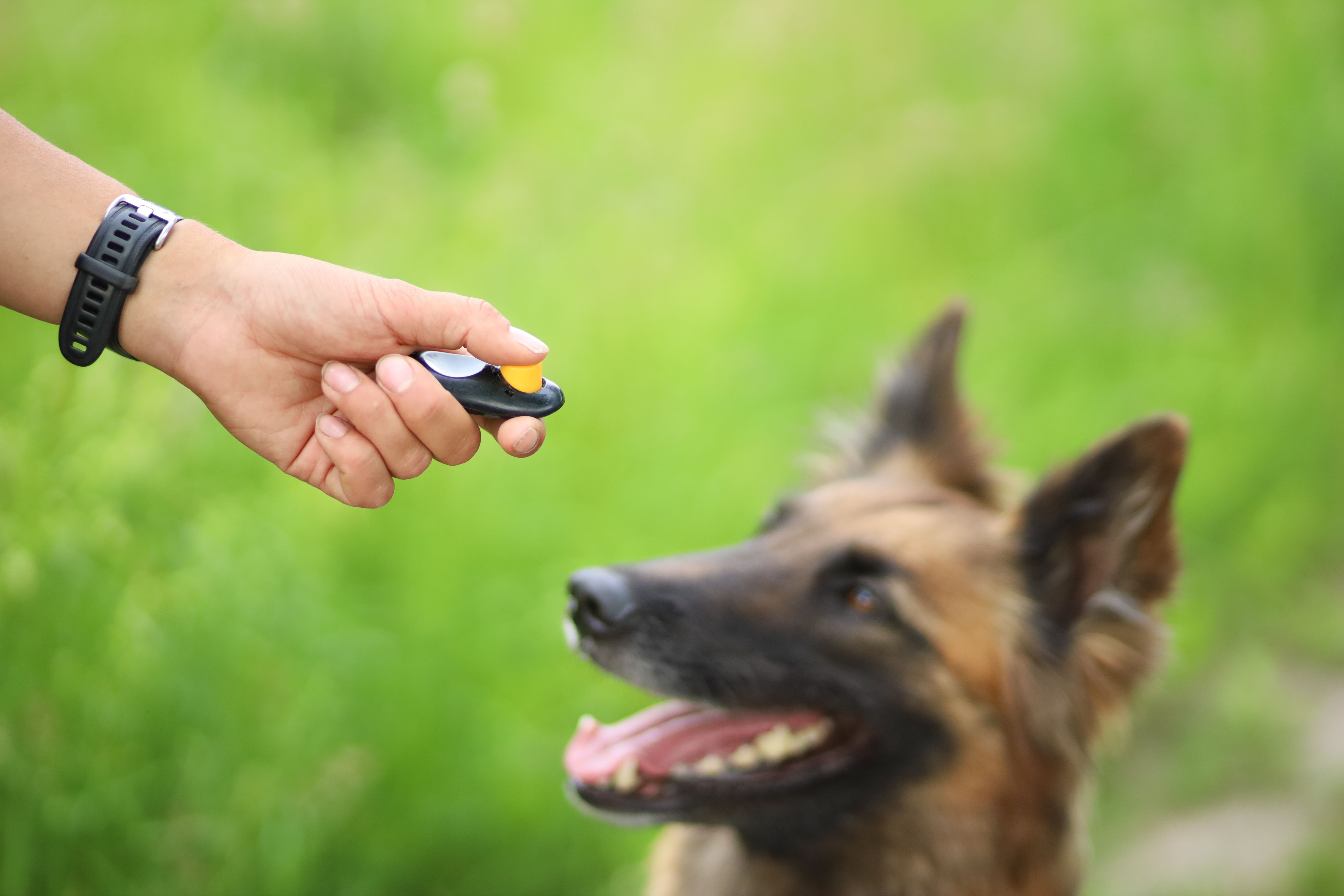
One of the advantages of clicker training is its precision. It allows trainers to mark the exact moment a dog performs the desired behavior, reducing confusion and accelerating learning.
Understanding Canine Body Language
Interpreting canine body language is crucial for effective training. Dogs communicate a lot through their body movements, and understanding these signals can help trainers adjust their techniques accordingly. Signs such as tail wagging, ear positions, and posture provide insights into a dog's emotional state.
By recognizing these signals, trainers can tailor their approach to match the dog's mood, enhancing the training experience. For instance, if a dog is showing signs of stress, it might be best to pause the session and provide some comfort.

Technology in Dog Training
Technology is playing an increasingly important role in canine training. From apps that track progress to smart collars that provide real-time data, these tools offer new ways to enhance training sessions. Many of these technologies are designed to complement traditional methods, providing additional support to both trainers and pet owners.
For example, wearable devices can monitor a dog's activity levels and health metrics, offering insights that can inform training plans. Additionally, virtual training sessions have become more prevalent, allowing for flexible learning environments.
Conclusion: A Holistic Approach
Exploring the latest techniques in canine training reveals the importance of a holistic approach. By combining positive reinforcement, understanding canine body language, and leveraging technology, trainers can create effective and compassionate training programs. These modern methods not only improve behavior but also strengthen the bond between dogs and their owners, leading to a happier, more harmonious household.