
How to Train Your Dog at Home: Expert Advice from Blue Ribbon K9
DR
Understanding Your Dog's Needs
Training your dog at home requires a solid understanding of their basic needs. Dogs thrive on routine and structure, so establishing a consistent schedule is essential. Make sure your dog gets plenty of exercise and mental stimulation to keep them engaged and happy. A tired dog is generally a well-behaved dog.
It's also important to recognize your dog's unique personality and tailor your training approach accordingly. Some dogs may be more independent, while others are eager to please. Knowing what motivates your dog can help you achieve better results in training.
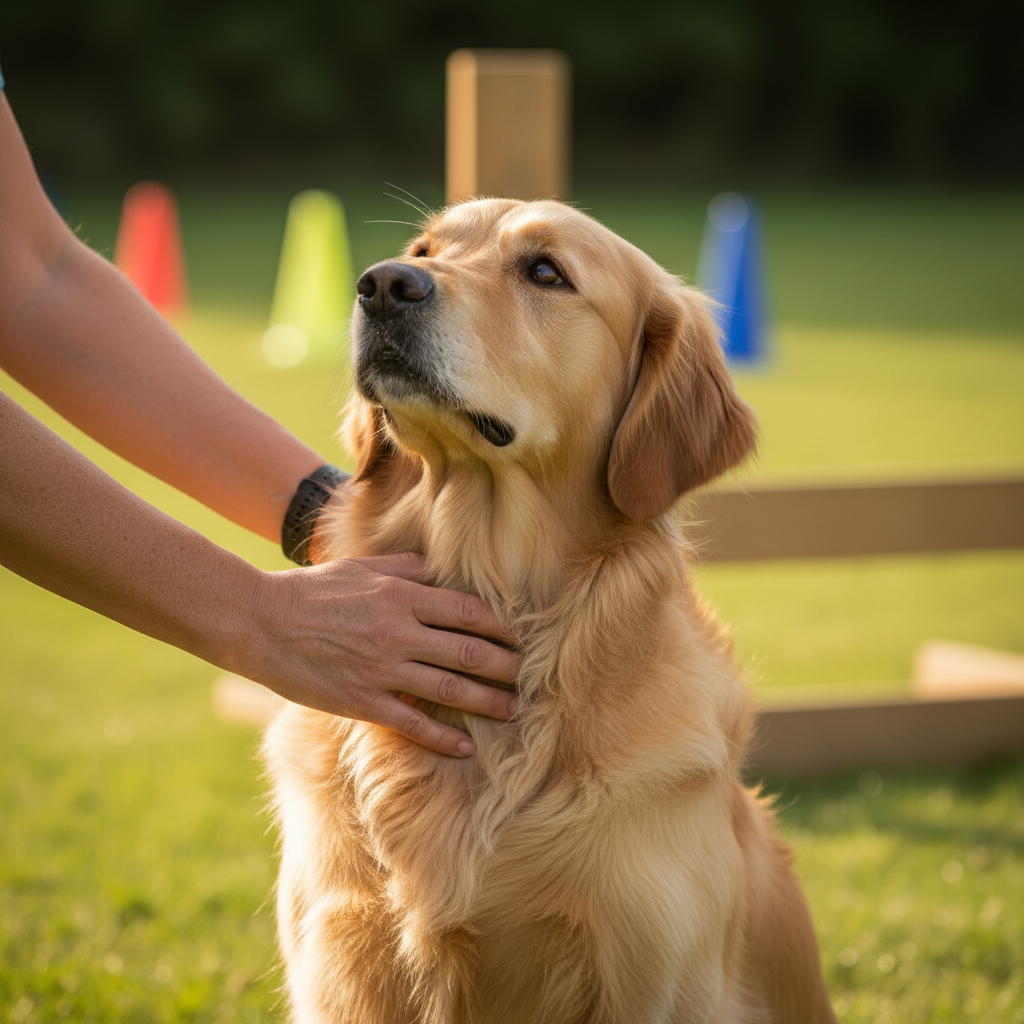
Setting Clear Expectations
Clear communication is key when training your dog. Use simple, consistent commands and reinforce them with positive reinforcement, such as treats or praise. Avoid using negative reinforcement, as it can create fear and anxiety in your dog.
Start with basic commands like "sit," "stay," and "come." These foundational skills will set the stage for more advanced training. Practice patience and be consistent with your expectations to help your dog learn effectively.
Positive Reinforcement Techniques
Positive reinforcement is one of the most effective methods for training your dog. When your dog performs a desired behavior, immediately reward them with a treat or verbal praise. This helps your dog associate the behavior with a positive outcome, encouraging them to repeat it in the future.
Timing is crucial when using positive reinforcement. Deliver the reward right after the desired behavior to ensure your dog makes the connection. Consistency is also important; reward your dog every time they perform the behavior correctly until they have mastered it.
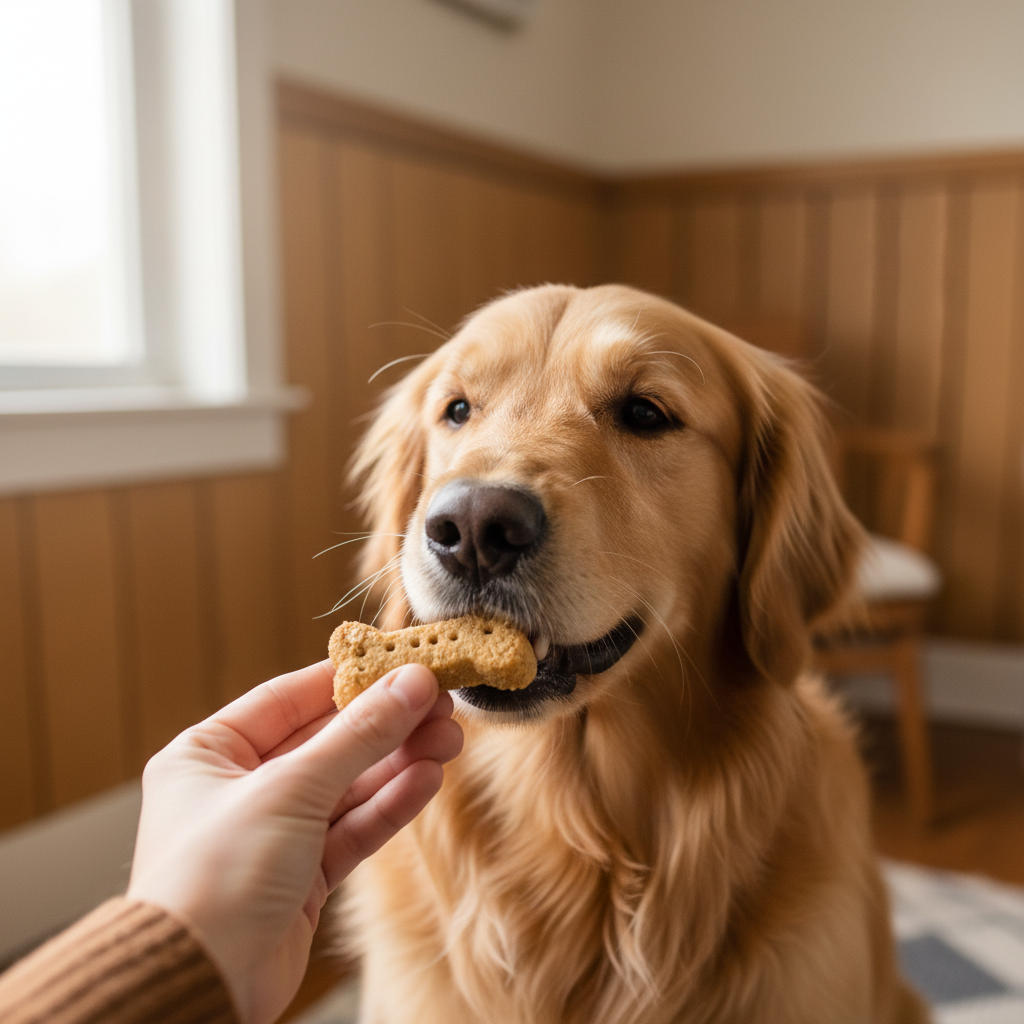
Building a Strong Bond
Training is not just about commands; it's about building a strong bond with your dog. Spend quality time together and engage in activities that your dog enjoys. This will strengthen your relationship and make training more enjoyable for both of you.
Engage in regular play sessions and incorporate training into your daily routine. This keeps your dog mentally stimulated and reinforces the bond you share. Remember, a happy dog is more likely to be a well-behaved dog.
Dealing with Common Challenges
Training your dog at home can come with challenges. Common issues include barking, chewing, and jumping. Address these behaviors with patience and consistency. Redirect your dog's attention to more appropriate behaviors and reward them for making the right choices.
If you encounter persistent issues, consider seeking advice from a professional dog trainer who can provide personalized guidance. Sometimes, an outside perspective can be invaluable in overcoming training obstacles.
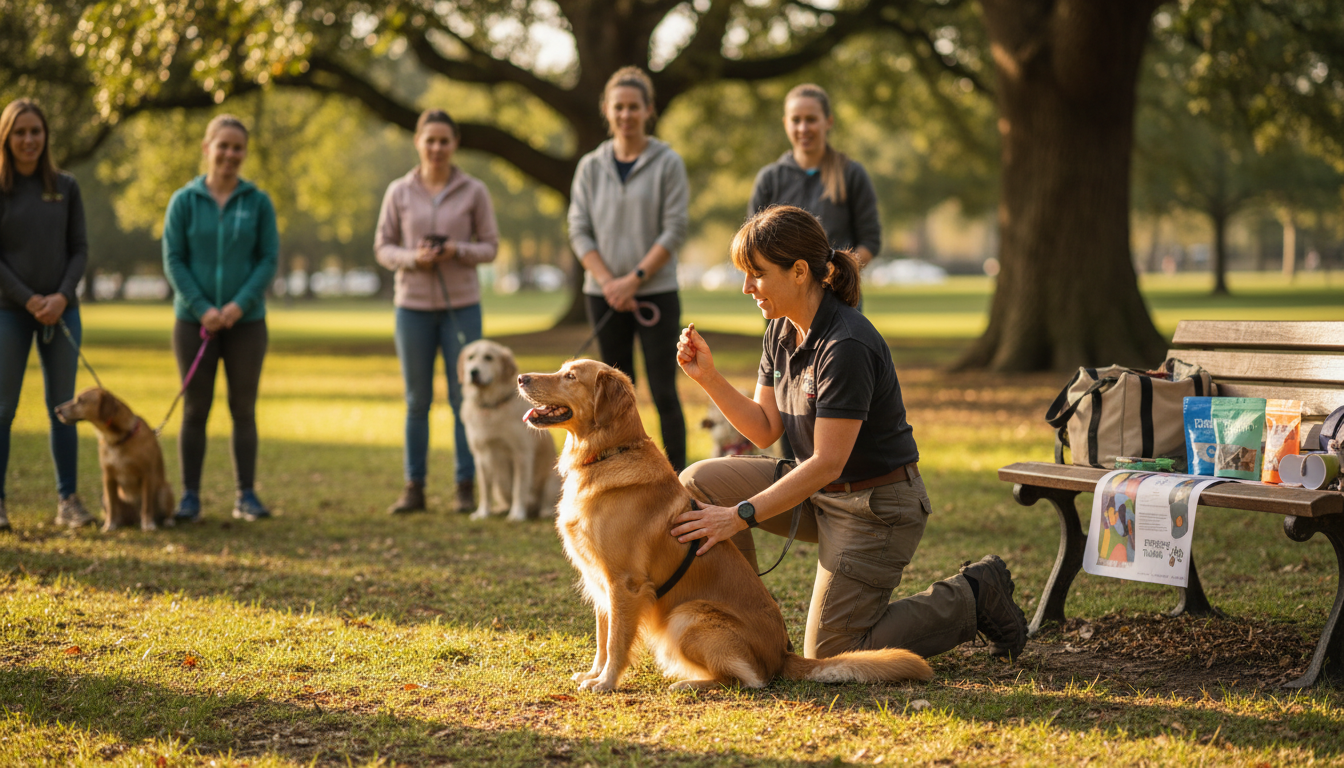
Maintaining Progress
Once your dog has learned the basics, it's important to maintain their training progress. Regular practice reinforces good behavior and prevents your dog from falling back into old habits. Incorporate training sessions into your weekly routine to keep your dog's skills sharp.
Training should be a lifelong commitment. As your dog grows and changes, their training needs may evolve. Be prepared to adjust your approach and continue reinforcing positive behaviors throughout their life.